From Video Calls to Visits — Is Your Long-Distance Relationship Ready to Meet in Person?
Wondering if your long-distance relationship is ready to meet in person? Here's how to know you're ready, stay safe, and involve family with confidence.

You've had months of calls, voice notes, and messages that turn into hours without you noticing. At some point, a new thought starts showing up in those conversations: I want to actually be with him. If that's where you are, you're not moving too fast or being unrealistic. It's a normal, healthy next step for a long-distance relationship.
There's no single "right" time to meet in person, and no countdown clock that tells you when you've earned it. What matters more is whether the relationship, and the plan for meeting, is actually ready. This guide covers three things worth getting right first: knowing the signs you're truly ready, staying safe when you meet, and doing it in a way that respects your family and your own comfort.
1. Signs Your Long-Distance Relationship Is Ready for a Visit

Wanting to meet is easy. Knowing the relationship is actually ready for it takes a little more honesty. A few things tend to matter more than the calendar:
- The desire is mutual. You're both the ones bringing it up, not just one person pushing while the other goes along.
- Communication has been steady, not just intense. Effort spread over weeks or months is a better foundation than a handful of emotionally charged conversations.
- He follows through. Calling when he said he would, remembering details, showing up consistently: small promises kept say more than big declarations.
- You can talk about logistics without tension. Who's traveling, roughly when, and what it will cost. Being able to discuss this plainly is a good sign you're both serious.
Meeting in person isn't a test the relationship has to pass or fail. It's one more meaningful step, not a verdict on everything that came before it. If you and your partner both feel ready and can talk about it honestly, you're probably more prepared than you think, whatever the calendar says.
2. Staying Safe When You Finally Meet

Even after months of getting to know someone, meeting them in person for the first time is still a first meeting. Treating it that way isn't about distrust. It's just good sense, and it's worth doing no matter how close you already feel. A few practical habits go a long way:
- Meet somewhere public first, even if he's traveled a long way to see you. A café, restaurant, or public space keeps things comfortable without added pressure.
- Tell someone you trust the plan: where you're going, who you're meeting, and roughly when you expect to be back. Sharing your location with a friend or family member for that first meeting is a simple extra layer of care.
- Arrange your own way there and back. A ride from someone you trust or your own transportation keeps you in control of your time.
- Keep some details private at first, like your home address, until trust has had time to build in person, not just over the phone.
- Listen to your instincts. If something feels off, it's fine to shorten the visit or change plans. Your comfort matters more than sticking to a schedule.
None of this is about assuming the worst. It's the same care you'd bring to any new stage of a relationship: a way of protecting the good thing you've been building, not doubting it.
3. Bringing Your Family Into the Decision
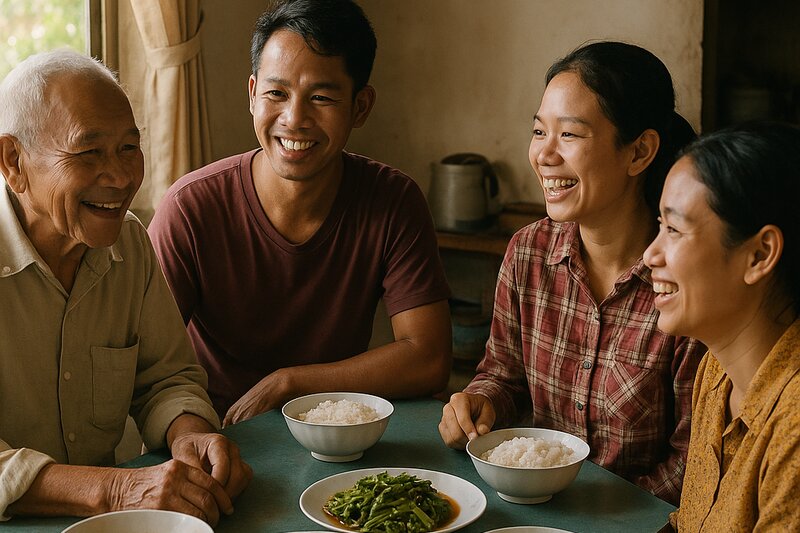
For many Cambodian women, family isn't separate from a serious relationship. It's part of it. If your parents or elders want to be involved in this decision, that's not old-fashioned or something to work around. It's often a sign of how much they care about your wellbeing.
A partner who's serious about you will usually understand this too. It's common, and reasonable, for him to want to meet your family, and for your family to want to understand who he is before things go further. Think of it less as a test he has to pass alone and more as a chance for everyone to get comfortable together.
Before the visit, talk with your partner about what family involvement will look like: whether he'll meet them during this trip, what that meeting might involve, and what matters most to your family in how it happens. Setting these expectations together, rather than assuming he already knows, tends to make the moment feel natural instead of stressful.
Wanting your family involved isn't a sign you're less independent or less sure of what you want. For many people, it's what makes the relationship feel steadier: real support behind it, not just two people figuring things out alone.
4. What to Honestly Expect From the First Visit

It's worth saying plainly: meeting in person can feel different from your video calls, at least at first. A little awkwardness in those first hours is common, not a warning sign. You're both adjusting to a version of each other you've only seen through a screen.
Keep the early plans simple. You don't need to fill every hour, and a relaxed first day or two without an overpacked schedule gives you room to actually be together instead of checking off activities. Agree on the basics beforehand too: how long he's staying, where he'll stay, and roughly how much time you'll spend together versus apart. A few practical conversations now save a lot of confusion later.
Give it room to unfold. You don't need instant certainty on day one; let yourselves settle into being in the same place before deciding what it means. A little cultural awareness helps everyone feel at ease, too: a sampeah instead of a hug or handshake when he's meeting people, for instance, or just paying attention to local customs.
However this particular visit goes, it's a real step forward simply for happening thoughtfully and safely. That's worth more than it feeling perfect.